


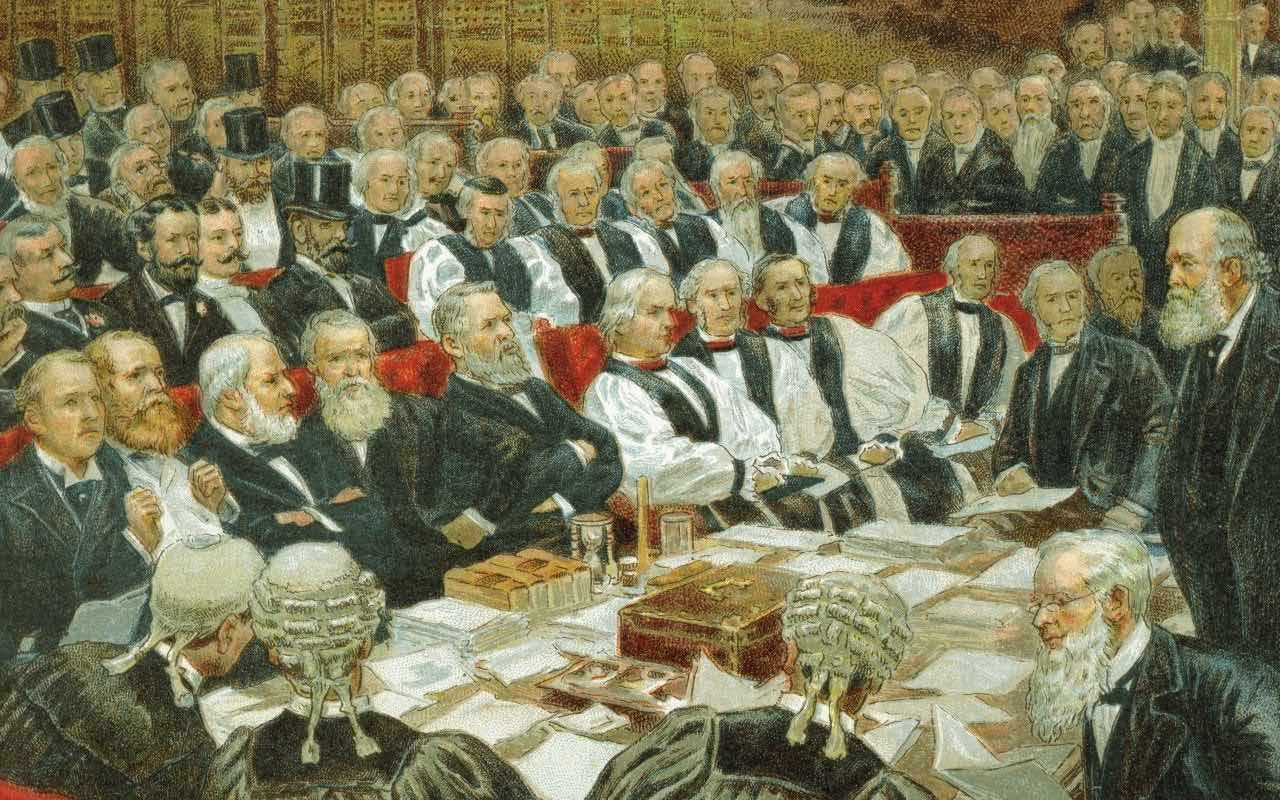
Christianity, Free Trade, and Nationalism in 19th Century Political Theology
Mid-19th Century Britain and to a lesser extent the United States of the same era became the arenas of the great debates over the…
Chrysostom, Tolkien, and Humility
Do not expect to be crowned promptly
“Worth a Thousand Dollars”: The (Former) Economics of Fertility
Children used to be seen as an economic asset to their parents.
Ancient Christianity and Book-Banning
How eager were Christians to destroy books they didn't like?
An Evangelical Protestant on America and Russia in the Civil War Era
A year after the defeat of the Confederacy, Evangelical Presbyterian-turned-Congregationalist minister Charles B. Boynton, professor at the Naval Academy, Chaplain to the House of…
Rilke and Kafka in Zoshchenko’s “Apollo and Tamara”
On Mikhail Zoshchenko, Rainer Maria Rilke, and Franz Kafka.

“Ashes to Ashes, Dust to Dust”
The afterlife of a phrase about death.
“Love Minus Zero”: An Epigram by Henrik Harder
A new translation of Henrik Harder.
Luther and the Classics: The Case of Psalm 90 (2) (Horace and Cicero)
More on classical references in Luther's lectures and commentary on Psalm 90.
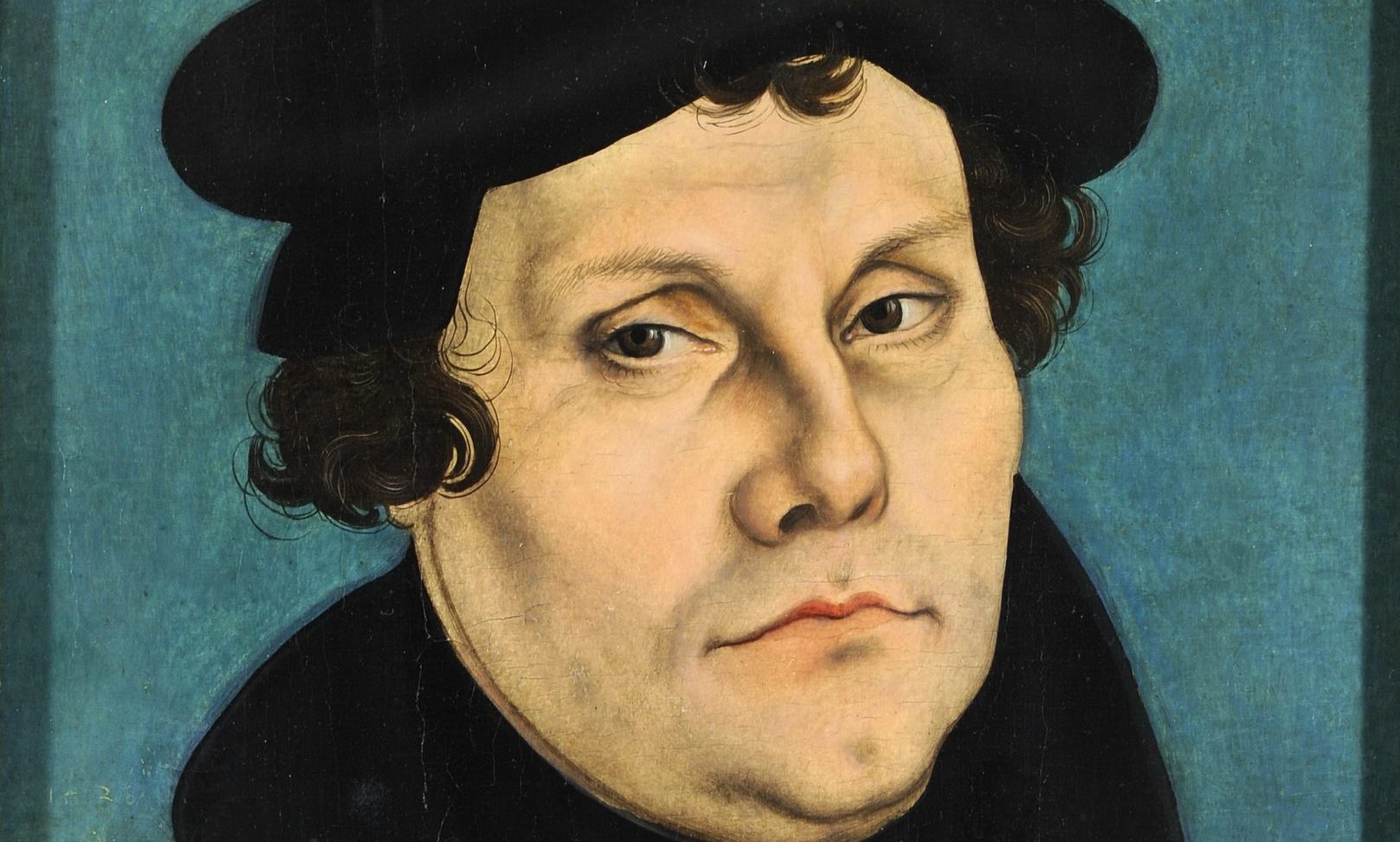
Luther and the Classics: The Case of Psalm 90 (1)
The first post in what it is hoped will be a series on Luther's use of the classics in his lectures on Psalm 90.
The President as Protestant Warlord
This week US President Donald Trump wielded the startling powers of the United States presidency when he dismissed senior generals and replaced them with…
Catullus in Vergil?: Pallas, Turnus, and the End of the Aeneid
A theory on Catullus and the end of Vergil's Aeneid.
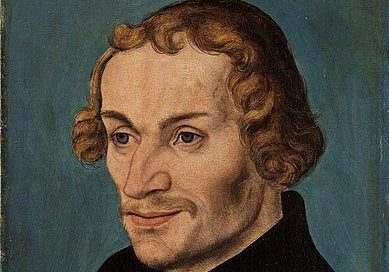
How Does the Bible Use the Word “Good”?
Melanchthon on the meaning of "good" in the Bible, Stoicism, and Aristotle.
“Sons of the Greeks, Arise!”: Christianity, the Classics, and War in the 19th Century
The question of the Bible and Biblical authority defined debates among nineteenth century American Protestants as they appealed to the Christian scriptures to justify…

“Nunc dimittis”: A Poem for the Presentation of Our Lord
A poetic version of the "Song of Simeon," based on the fourth-century Latin poet Juvencus.
The Idea of the Christian Soldier in America History, 1800-1861
My college recently started its Center for Military History and Strategy. We’ve been able to bring in some of the best historians whose work…

Holly as Homer, Dylan as Ennius: The Rock and Roll Singer as Epic Bard
On poetic inspiration and transmigration in Homer, Ennius, Buddy Holly, and Bob Dylan.
Charles Hodge, David Platt, and the Evangelicals’ (Dis?)Ordered Loves
In the third volume of Charles Hodge’s 1871 Systematic Theology, the Princeton Seminary professor offered a formula for how Protestants should understand moral responsibility…

“Send Carter, Bob, and Zevon”: When Mohammed’s Radio Played a Dylan Tune
On a Dylan allusion in the live version of Warren Zevon's "Mohammed's Radio."
Dionysius of Alexandria and Christian Allegiance to the Pagan Empire
Let's throw another monkey wrench into the plentiful oversimplifications of Christian-Roman relations.
Fragment of an Early Draft of “Riddles in the Dark”
An important chapter in The Hobbit might have looked much different.
“Blood on the Tracks”: Some Intra-Dylan Allusions
On internal allusions in Bob Dylan's lyrics.
Authenticity and Authority: Origen on the Tension of Philology and Canon
What do you do if you find an inauthentic biblical passage that's accepted in the wider Church?

Housman, Williams, Dylan: On Poetic Diction
Speaking poetically in the works of A.E. Housman, Hank Williams, and Bob Dylan.
Eusebius on Asceticism and Christian Civilization
Eusebius on the Two Ways of Christian Life

Fact and Fiction in Authorial Personae: Bob Dylan and Nathaniel Hawthorne
On a possible allusion of Bob Dylan to Nathaniel Hawthorne.
“St. Herman’s Church”: Melville in Dylan
On Bob Dylan and MOBY-DICK.
Who Invented the Idea of “Canonical” Scriptures?
A case that the terminology dates back to the third century.
Conan the Dionysian?
On Conan the Barbarian and Euripides.
“I have therefore returned to the faith of my childhood”: Moral Law, Grace, and Nature in the Political Theology of François Guizot
No French Reformed Protestant influenced and informed French politics in the 19th Century more than François Guizot. Best known as King Louis-Philippe’s last prime…

“‘But Tacitus—I Hate Tacitus”: Melville against Classical Education?
On an Ovidian allusion in Melville's last novel.
Kingship and Parliaments in French Reformed Protestant Political Theology
In the 19th century Anglo-American historians—almost inevitably devotees of what Herbert Butterfield called the Whig or Protestant theory of history—inevitably viewed Anglo-American political developments…
Protestants, the Tsar, and the Holy Alliance: Religious Revival and Politics in Europe, 1800-1830
In the aftermath of Napoleon’s deposition in 1814 a significant political and religious renaissance among French and Swiss Protestants gained disciples across Western Europe,…

Piety, Politics, and Protestantism in the Era of Trump
Donald Trump won reelection this week. A major facet of his electoral coalition was a shift towards the Republican presidential ticket among young men…

Luther’s Lucretius (1)
On a citation of Lucretius by Martin Luther.

Race, Religion, and Republic in Herman Melville’s “Redburn”
Herman Melville published his autobiographical novel Redburn in 1849. The work proved to be one of his best, and in many ways remains his…
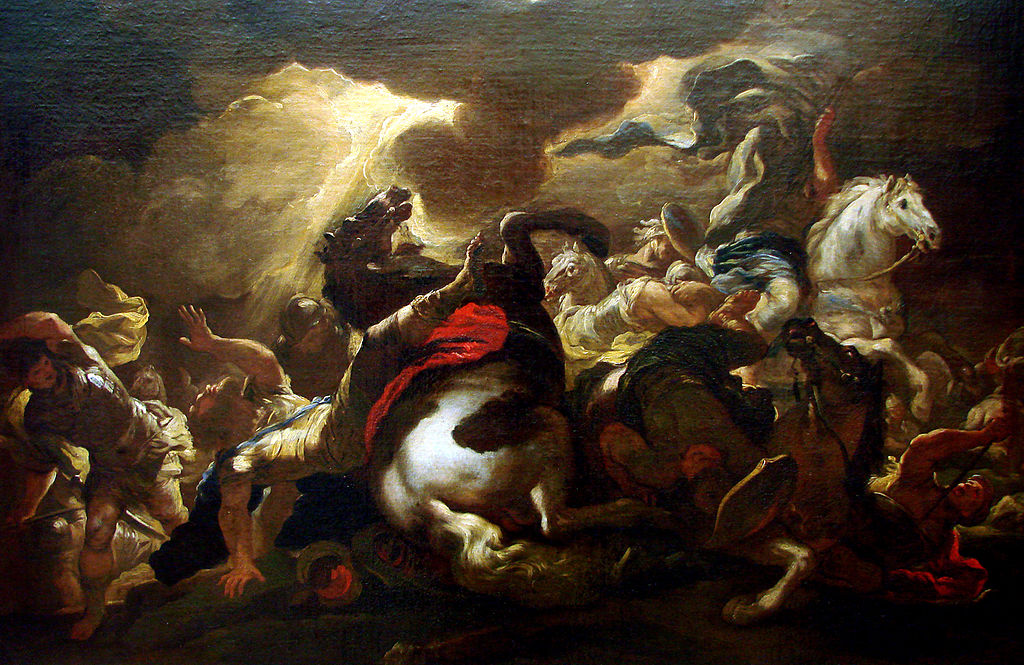
Paul as Pentheus? (Updated)
On Euripides in the Acts of the Apostles.
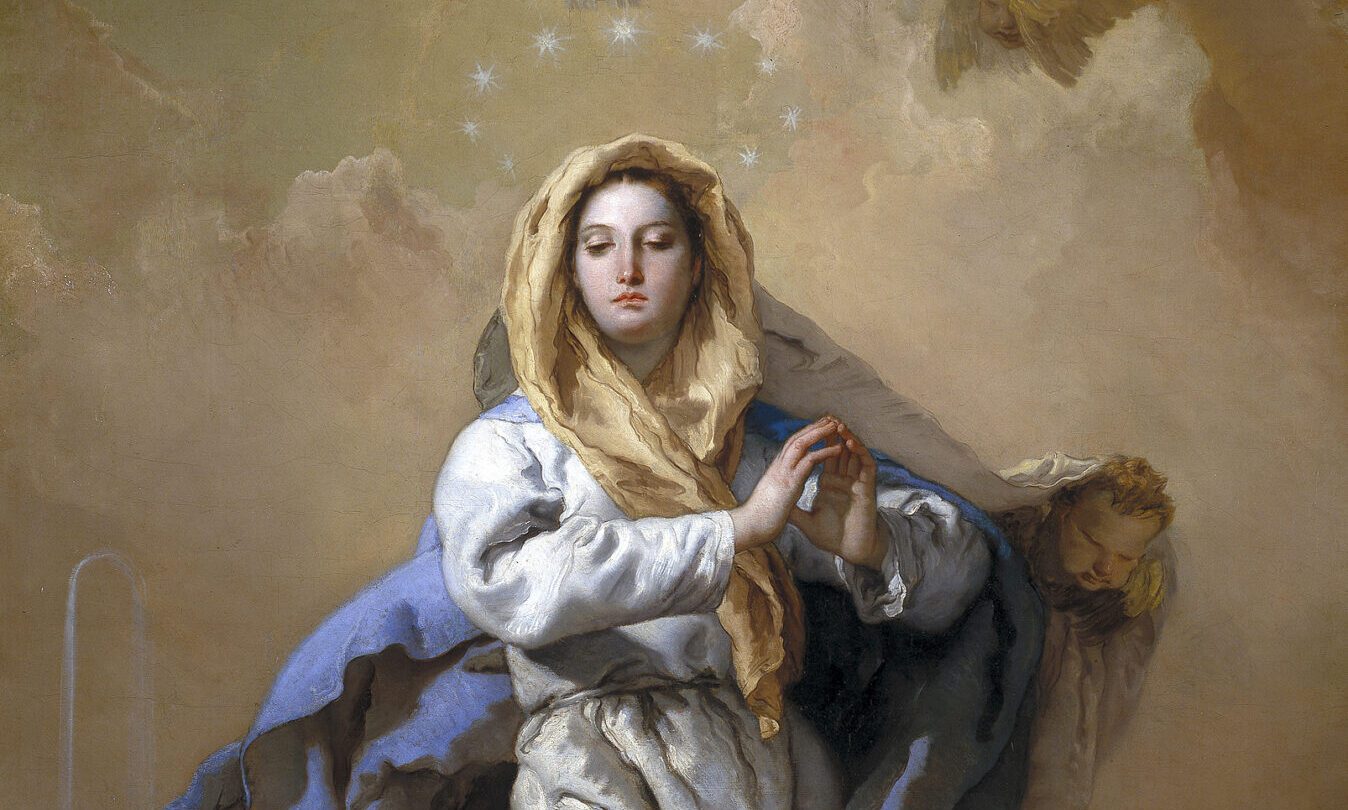
When Tradition Becomes Tragedy: Thomas Aquinas and the Immaculate Conception
Thomas Aquinas did not believe that Mary was conceived without sin.
Justin Martyr on Free Will, Righteous Pagans
Who needs Limbo when you have Logos?
“Men of all descriptions will, to a great degree, be transformed into business men”: Businessmen’s Preaching in the 19th United States
In 1857 James Waddel Alexander, prominent Presbyterian minister and former professor at what is now Rutgers University, and later at Princeton Seminary, spearheaded the…
