


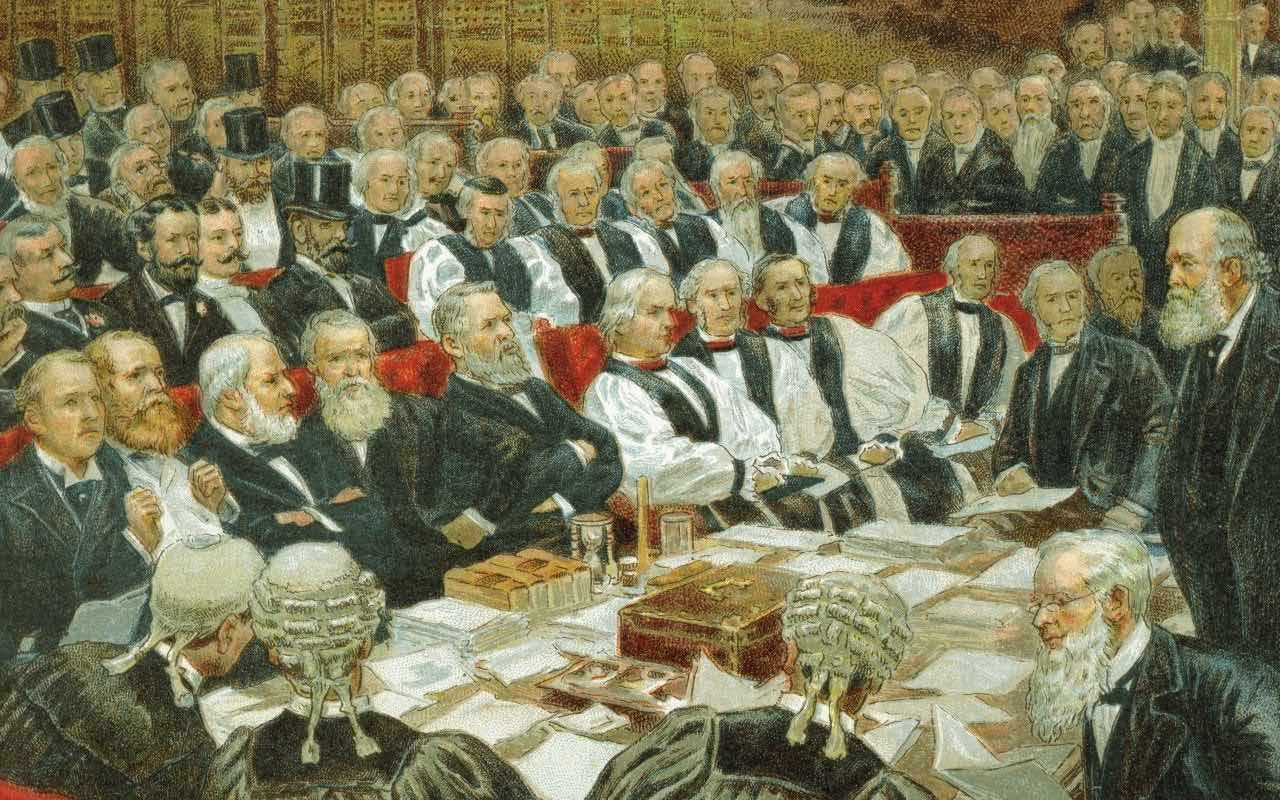
Protestant Social Teaching and the American Republic
In a 2009 article for Journal of Markets and Morality Stephen Grabill posited that although Protestant social thought was “a vibrant field” that was…

Did Russia Nearly Have A Protestant Tsar?
In 1610, there were Orthodox, Catholic, and Protestant claims to a Russian throne in disarray

Temporal Ceremonies in the Scots Confession
A series hoping to find points of continuity between the “Anglican” position on ceremonies and tradition and that of the broader Reformed churches would…
The Disestablished Establishment: morality and nation in 1849
The First Amendment and the push for disestablishment from the 1780s to the Jacksonian Era redefined the history of the religion and more particularly…
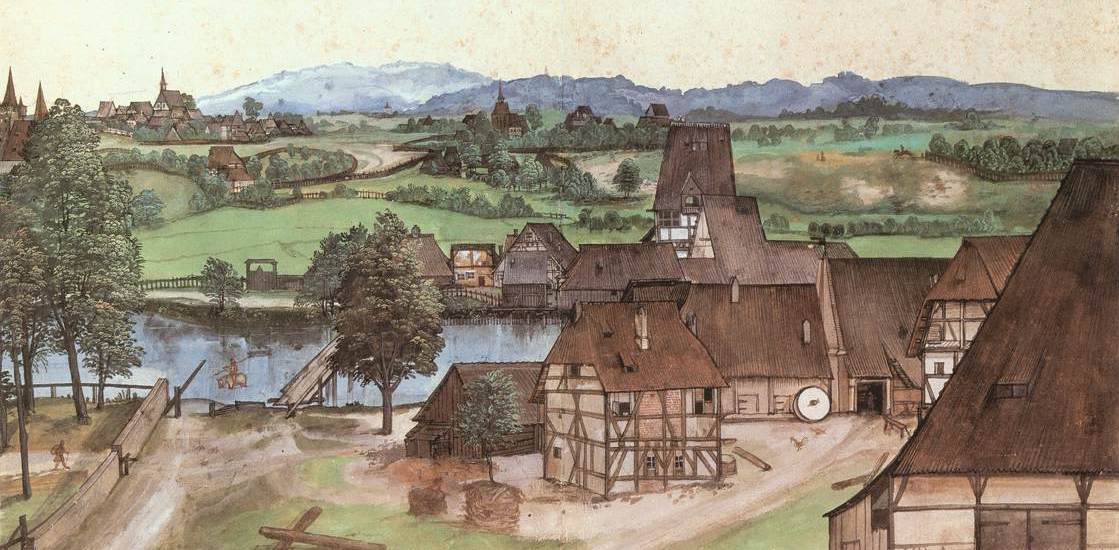
The Meditations of Marcus Aurelius: Meditations 2.3
Meditations 2.3: What in the world is providence?

“He Has Given His Victory to Us”: Luther on the Resurrection and Justification
Martin Luther on the connection between Christ's resurrection and our justification.
Latter Day Saints, Religious Liberty, and the Problem of Christian America in the Early Republic
Since the promulgation of the United States’ Constitution in 1788, Protestants across denominational lines largely supported disestablishment and the Constitution’s provision for religious liberty…
Special Ordinances in the French Confession of 1559
The French Confession of 1559 was put together by men associated with the National Synod at La Rochelle. Theodore Beza was one of the…
Divine Tradition in Calvin’s Geneva
The next Reformed confession in our series on tradition is the Genevan Confession of 1536. This was written by John Calvin, but it shows…
Ceremonies and Adiaphora in the Lausanne Articles
The Lausanne Articles of 1536 were written by Guillaume Farel and Pierre Viret. They show a similar sort of theology of adiaphora as preceding…

On Naming the World: A Protestant Vision for Training in Wisdom
We educate, above all, by equipping each new generation to name the world rightly.
Luther on the Kinds of Righteousness (2)
Martin Luther on passive, i.e. Christian, righteousness.
Luther on the Kinds of Righteousness (1)
Martin Luther delineates the different kinds of righteousness, so that that Christian righteousness can come mor sharply into focus.
Corporate v Individual: Religious Liberty in the Early Republic
Intellectuals and ministers debated the meaning of religious liberty throughout the Early Republic. Almost every observer and writer vigorously supported religious liberty, but there…
Adiaphora in The First Helvetic Confession
The First Helvetic Confession of Faith was another attempted Reformed-Lutheran symbol of unity. Composed thirty years before its more famous successor, the First Helvetic…

“The Most Difficult Thing of All”: Luther on Justification and Passive Righteousness
Martin Luther on why believing in justification by faith alone is a matter of the highest art and skill.
The Doctrine of Human Tradition in the Tetrapolitan Confession
The Tetrapolitan Confession of 1530 represented the theology of the cities of Strasbourg, Constance, Memmingen, and Lindau. It was written chiefly by Martin Bucer.…
Protect Your Chest: Thoughts on Augustine’s Two Kingdoms
We must climb the things of this world, this evermore insane world, as we ascend to things higher.
The Meditations of Marcus Aurelius: Meditations 2.2
A new translation and commentary on Meditations 2.2.

Jesus the Ark: An Epigram from the Greek Anthology
A typological epigram about Jesus and the Ark of the Covenant.
Protestantism and the Problem of Populism
I recently weighed in (again) on the questions surrounding the debate over so-called Christian nationalism in the United States. The debate seems to overlap…

Undoing Misenchantment: Calvin, Demons, and Creation
Did Calvin really banish spirits and demons and end up disenchanting creation?
“Anglican-Sounding Stuff” at Dort
This post is going to be a bit short and imprecise. Still, friends encouraged me to plop this down in one easy-to-find spot, and…
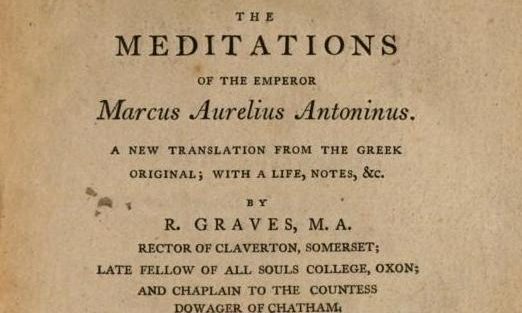
Introducing the Meditations of Marcus Aurelius: Meditations 2.1 (Updated)
The Τὰ εἰς ἑαυτόν of Marcus Aurelius (literally Things to Himself, usually rendered as the Meditations)[1] is one of the most important, beautiful, and…

Beyond Order: A Review
In a world of Chaos, Peterson speaks wisdom into the whirlwind.

The Church in the World, Militant and Wave-Tossed: Hemmingsen on Luke 5
Yesterday’s Gospel reading for the Fifth Sunday after Trinity, according to the traditional Western lectionary, was Luke 5:1-11: And it came to pass, that,…
“Condemn Not”: More from Hemmingsen on Mercy in Luke 6
Yesterday we looked at the first part of Niels Hemmingsen’s discussion of mercy in his Postil sermon for the Fourth Sunday after Trinity on…

“Judge Not”: Niels Hemmingsen on Judgment and Mercy in Luke 6
Yesterday’s Gospel reading, according to the traditional Western lectionary, was Luke 6:36-42: 36 Be ye therefore merciful, as your Father also is merciful. 37 Judge not,…
“The Old Wrong”: Victimhood as the Refusal of Self-Knowledge
In Er (He), a collection of notes from 1920, Franz Kafka makes the following remark: Die Erbsünde, das alte Unrecht, das der Mensch begangen…
Is Napoleon’s most famous marshal secretly buried in a North Carolina Presbyterian churchyard?
In 1846 an obscure French schoolteacher, Peter Stewart Ney, died in Rowan County, North Carolina. He served in the various small home schoolrooms scattered…

“All the Men and Women Merely Players”: An Epigram of Palladas
A student once called me “vaguely pagan,” which I did NOT appreciate. However. While I’ve shared several epigrams from Book 1 of the Greek…

“The Devil Is Not Dead”: Luther on the Necessity of Galatians (Updated)
Last time, we looked at a comment Luther makes in his preface to the 1535 Galatians commentary. Below, as he warms up for the…

Church Music is Just the Worst (Circa 800, part 2)
Last time we heard John the Deacon explain how Alpine bodies are just incapable of the kind of grace in chanting that Romans naturally…
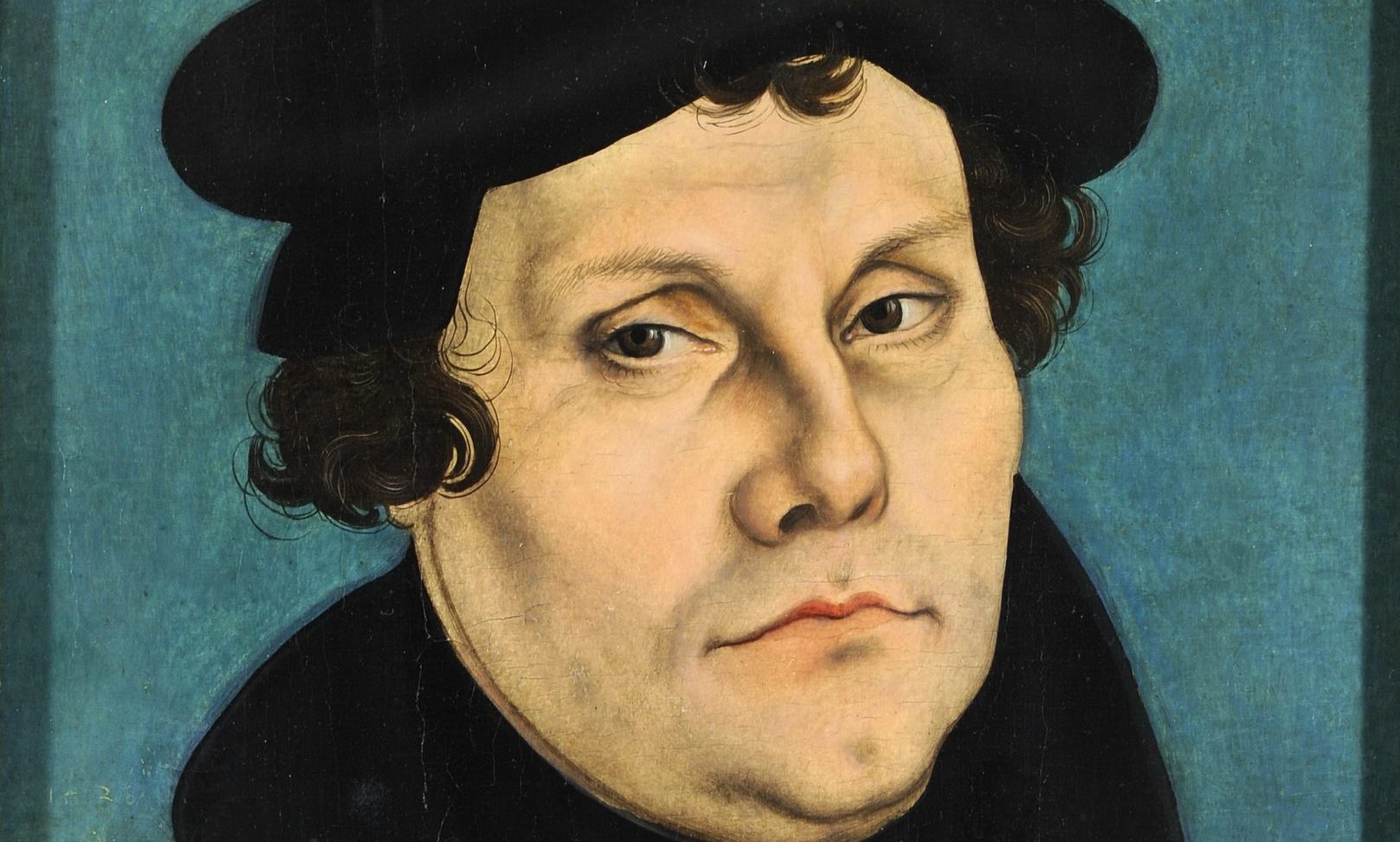
From Faith to Faith: Exitus-Reditus in Luther’s Galatians Preface
Martin Luther begins the preface to his 1535 Galatians commentary by saying, more or less, “Wow, I cannot BELIEVE how verbose I was in…
Evangelicals, Guns, and Church and State in the Early Republic
19th Century ministers regularly preached to men carrying guns. Politicians and military figures in the Nineteenth Century United States publicly and enthusiastically committed to…

The Soul’s Bloody Doorposts: A Greek Epigram on the Passover
I haven’t posted a verse translation On Here in a while (since April 25th, in fact), and am trying to get back into it.…
Church Music Is Just the Worst (Circa 800)
Charlemagne had been carrying on his father’s mission to unite the chanting practices of western Europe under a single practice when he ran into…

Between Two Graves: Calvin on the Waters Above and Below
On rainfall and death.
Early Republic Southern Baptists, Education, and Populism
During the late Eighteenth and early Nineteenth Centuries, North American Baptists joined their Congregationalist, Methodist, and Presbyterian counterparts in creating colleges and seminaries institutions…
Scrutinize Majesty and Be Crushed by Glory: Reason and the Trinity
Yesterday was the Feast of the Trinity, for which the traditional Gospel text comes from John 3:1-15. For this post, I’ve translated a brief…
