


Foucault and the Hope of Resurrection
Patrick Stefan achieves a startling and convincing reading of early church history using Foucault's thought.


Patrick Stefan achieves a startling and convincing reading of early church history using Foucault's thought.
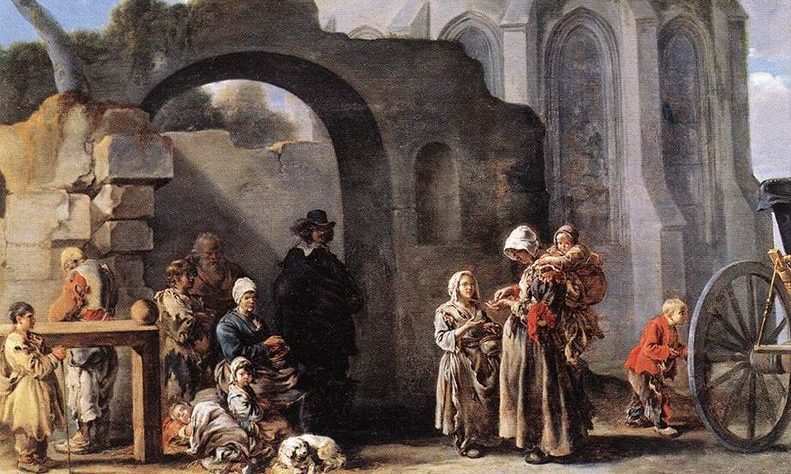
An economy can never be viewed as amoral, and it must be assessed on its ability, not to generate private profit, but to increase the number and flourishing of the "sons of God."

Beyond Dordt and De Auxiliis examines the interdependence of these two traditions in the early modern period as they discussed and debated doctrines such as predestination and divine grace.
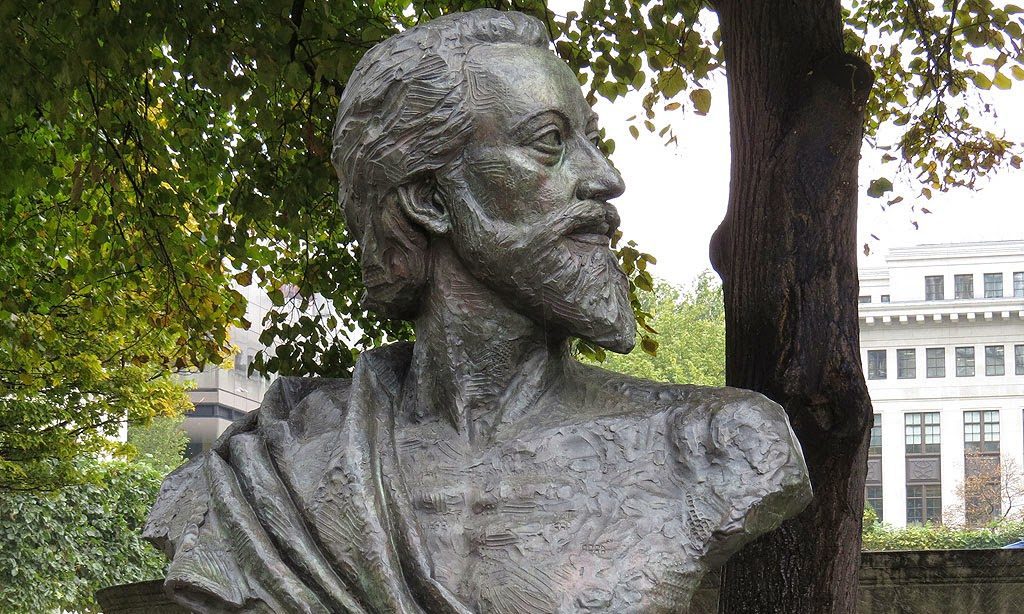
John Donne's poetic records of his religious struggles make him the ideal companion for weary Protestants.

Far from rejecting classical learning, the Protestant Reformers ensured its expansion.

What were the differences between over church and state betwen Baptists and the Reformed in the early US republic?
Matthew Wilcoxen’s Divine Humility: God’s Morally Perfect Being stands out among modern accounts of the doctrine of God, drawing out and expanding upon a neglected dimension within the tradition.

We asked a handful of our staff and Davenant Fellows what books they particularly enjoyed reading over this past year. Here’s what they came up with! Brad Littlejohn: Oliver O’Donovan, The…
Few topics are more likely to cause a stir among Christians than universal salvation, or apokatastasis—the view that no person will ultimately experience eternal estrangement from God. Although the universalist view is difficult, if not impossible, to reconcile with the authoritative teaching of most Christian churches, it is not consistently considered heresy on the level of, say, denying the Trinity or the hypostatic union in Christ. But the concept of hell as “eternal conscious torment” has undoubtedly been a part of the Christian theological fabric for centuries, and from the perspective of the broader Church catholic, the burden of proof is probably on any challenger wishing to disrupt that consensus.

Not many passages in the New Testament speak directly to political order. The first part of the thirteenth chapter of Romans is perhaps the most famous. I would like to focus in this essay on vv. 3-4, which may appear prima facie to be something of an interpretive crux. Are these verses descriptive or prescriptive? That is, are they simply declarative, or are they imperatival, telling us what magistrates ought to do?
