


Augustine’s Ascent to God Is Also Our Ascent
Augustine wrote “On the Trinity” partly to guide readers in their knowledge of God. In this pursuit, he self-consciously followed dominical sayings such as, “And this is eternal life, that…


Augustine wrote “On the Trinity” partly to guide readers in their knowledge of God. In this pursuit, he self-consciously followed dominical sayings such as, “And this is eternal life, that…
When Jesus prayed, “not my will, but yours be done” (Matt 26:39), he declared himself to be united in willing redemption with the Father. He did so because he always…
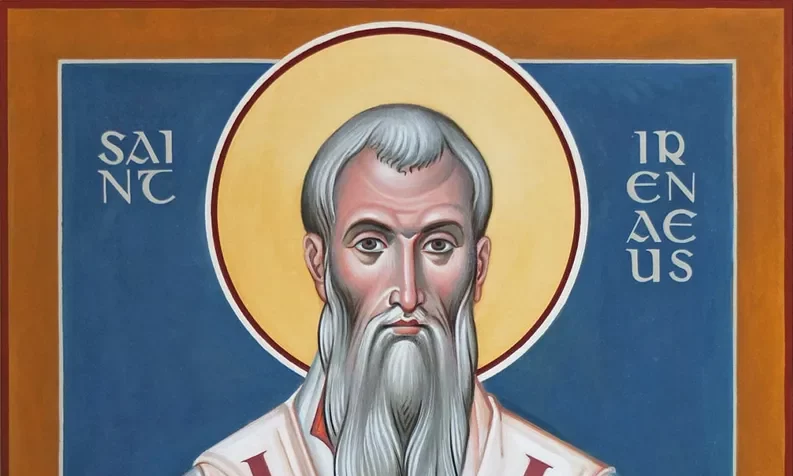
Irenaeus's view of apostolic succession was no abstract theory, but an appeal to history.

Last time we heard John the Deacon explain how Alpine bodies are just incapable of the kind of grace in chanting that Romans naturally have. But maybe the Alpine bodies…
Charlemagne had been carrying on his father’s mission to unite the chanting practices of western Europe under a single practice when he ran into some snags coordinating the singing between…
“One can see that the iconoclasts, whom one accuses of disdaining and negating images, were those who accorded them their true value, in contrast to the iconolaters who only saw…
It has been a long time since I foisted upon my hapless readers my opinions, screeds, condescending remarks, &c. I have an excuse, but it is a very boring one…
In Sid Meier’s classic game Civilization III, one of the first “technologies” that your chosen civilization must learn is the calendar (which, amusingly, unlocks the ability to build the Stonehenge,…
Is art how modern people create moral order in a godless universe?
If Augustine considers sex something that man cannot enjoy sinlessly, where does that leave music?
“In every state, not wholly barbarous, a philosophy, good or bad, there must be. However slightingly it may be the fashion to talk of speculation and theory, as opposed (sillily…
Technology hardly ever emerges ex nihilio. In fact, it's usually by accident.
There has been quite a lot of Reformation-themed posts going around on these Ad Fontes blogs (can anyone tell me why? I don’t get it, is something going on this…
Given how much I am going on all the time about singing in the home (for instance, recently on the Ad Fontes podcast), a friend has requested a list of…
Pope John XXII had some specific opinions on church music, which he expressed in his bull Docta sanctorum patrum. But some disciples of a new school, occupying themselves with the…
My title is one of the famous, controversial sentences from a famous (amongst a certain crowd), controversial book, which I heartily commend to you all. The philosopher Lydia Goehr wrote…
There are always a few books on the shelf in the bathroom that one grabs in those moments of peaceful, if somewhat uncomfortable, solitude. I am careful to select those…
In 1500, the churches were full of musicians rather than theologians. And Erasmus was not happy.

In Joseph Herl’s excellent Worship Wars in Early Lutheranism: Choir, Congregation, and Three Centuries of Conflict, he quotes Luther responding to his congregation in Wittenburg after the introduction of the…
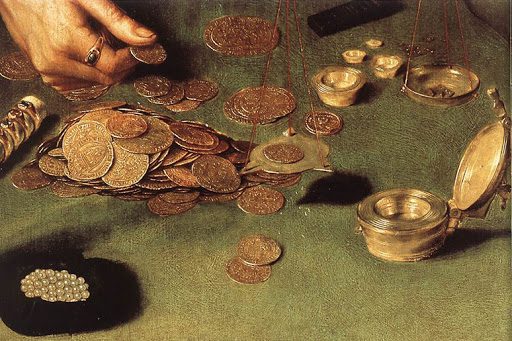
One of the central hypotheses that this blog will explore, over the long haul, is the following: ever since the Reformation, it has been difficult to find ways of funding…
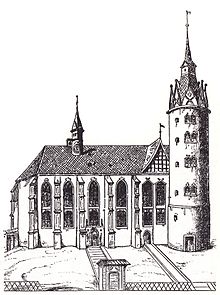
“On July 31, 1554, the degree of master of philosophy was publicly conferred on Cureus by the most illustrious and eminent dean of the philosophical college, Caspar Peucer, (a man…

I would like to start a series of short blogposts, “Church Music Is Just the Worst (Circa)” focusing on primary sources and first-hand accounts of people in the western church…

Perhaps you’ve seen one of those selfies where the person has used software to impose makeup on themselves. They can make their skin glisten and nose narrow and zits invisible.…
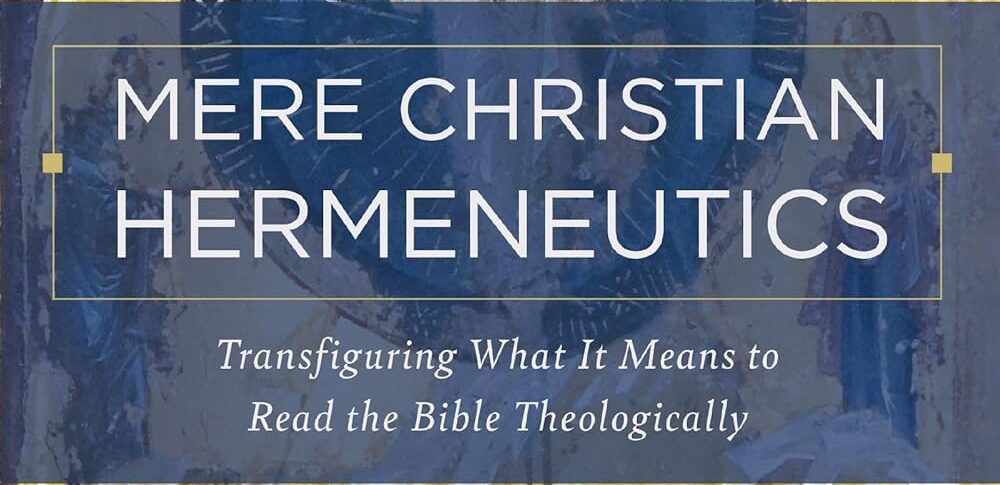
Vanhoozer, Kevin J. Mere Christian Hermeneutics: Transfiguring What It Means to Read the Bible Theologically. Grand Rapids, MI: Zondervan, 2024. If the beatitudes of our Lord have general application, Kevin…

Recent Christian natural law arguments against assisted suicide need tightening up.
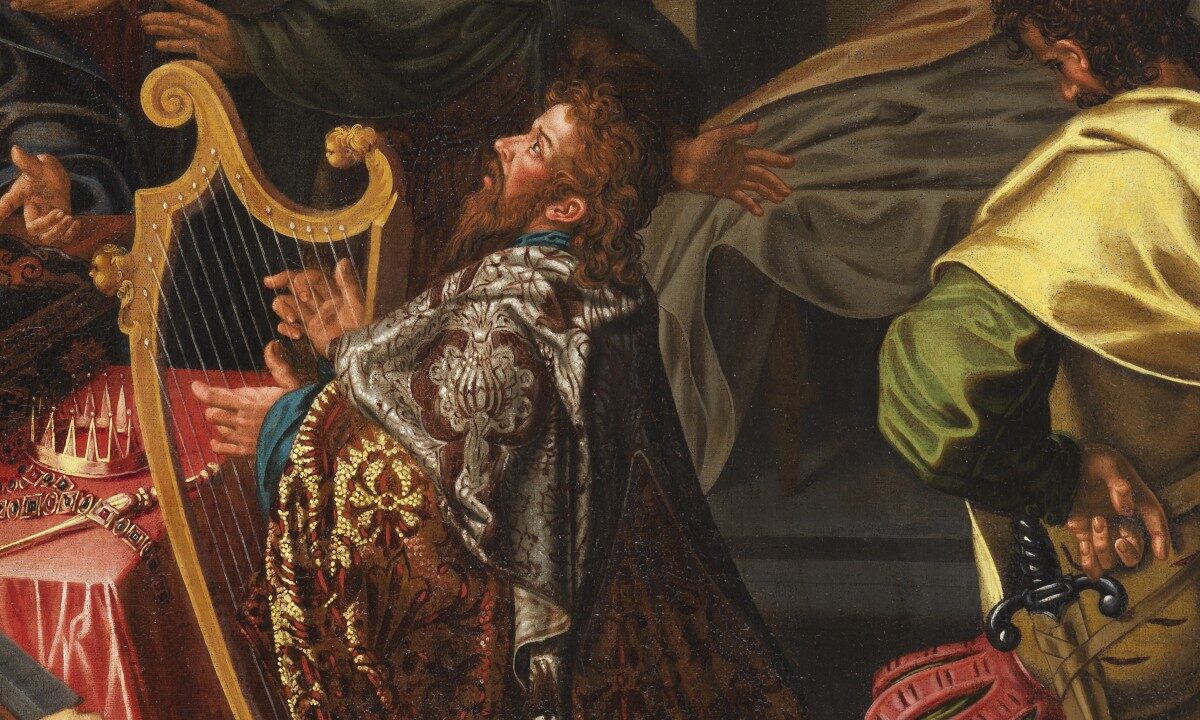
A new book on the psalms will become an indispensable resource for pastors, scholars, and laypeople alike.

Felling trees as Saruman does is not always a bad thing.

Did Tolkien have room for shades of gray within and without Middle Earth?

Zacharias Ursinus offers a neglected explanation for the seemingly difficult logic of penal substitution.

On learning to love Dante.
